The Process

From Forest Floor to High-Value Materials

A full technical walkthrough of how ResolutX takes forest biomass waste and converts it into graphene, biochar, and renewable fuel — with nothing left over.

01

Forest Biomass — Starting With Waste

Forest biomass feedstock

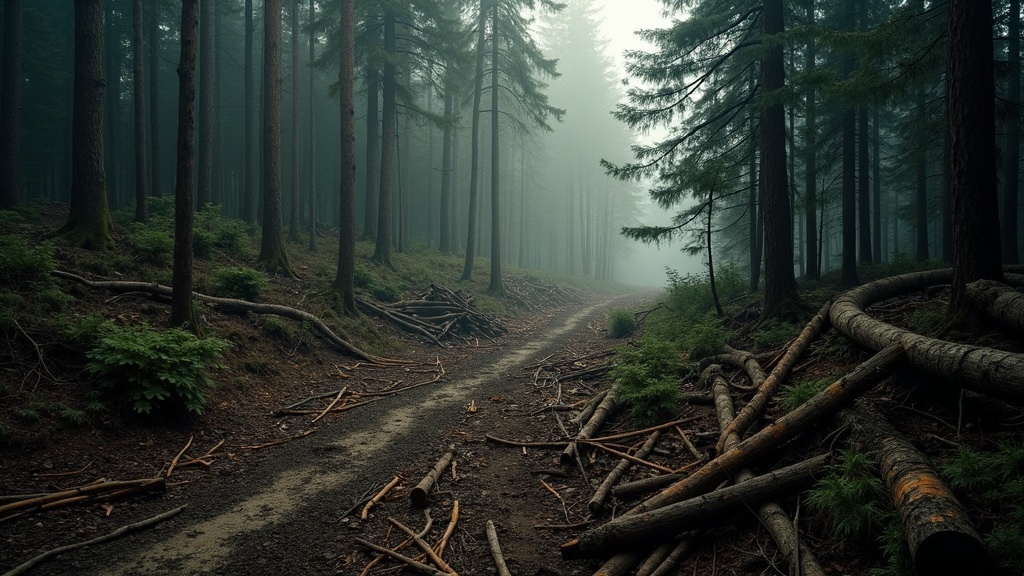
Biomass is organic material from living or recently living organisms. In the context of ResolutX, that means forest waste: slash piles from logging operations, residuals from lumber and paper milling, brush cleared during fire management projects, and wood debris from storm damage or hazard tree removal.

This material is abundant, low-cost, and — under conventional forest management — a liability. It accumulates on forest floors, creating fire fuel loads. States and utilities spend millions to chip, haul, and dispose of it. In many cases, it's simply burned in open piles.

Why Shasta County

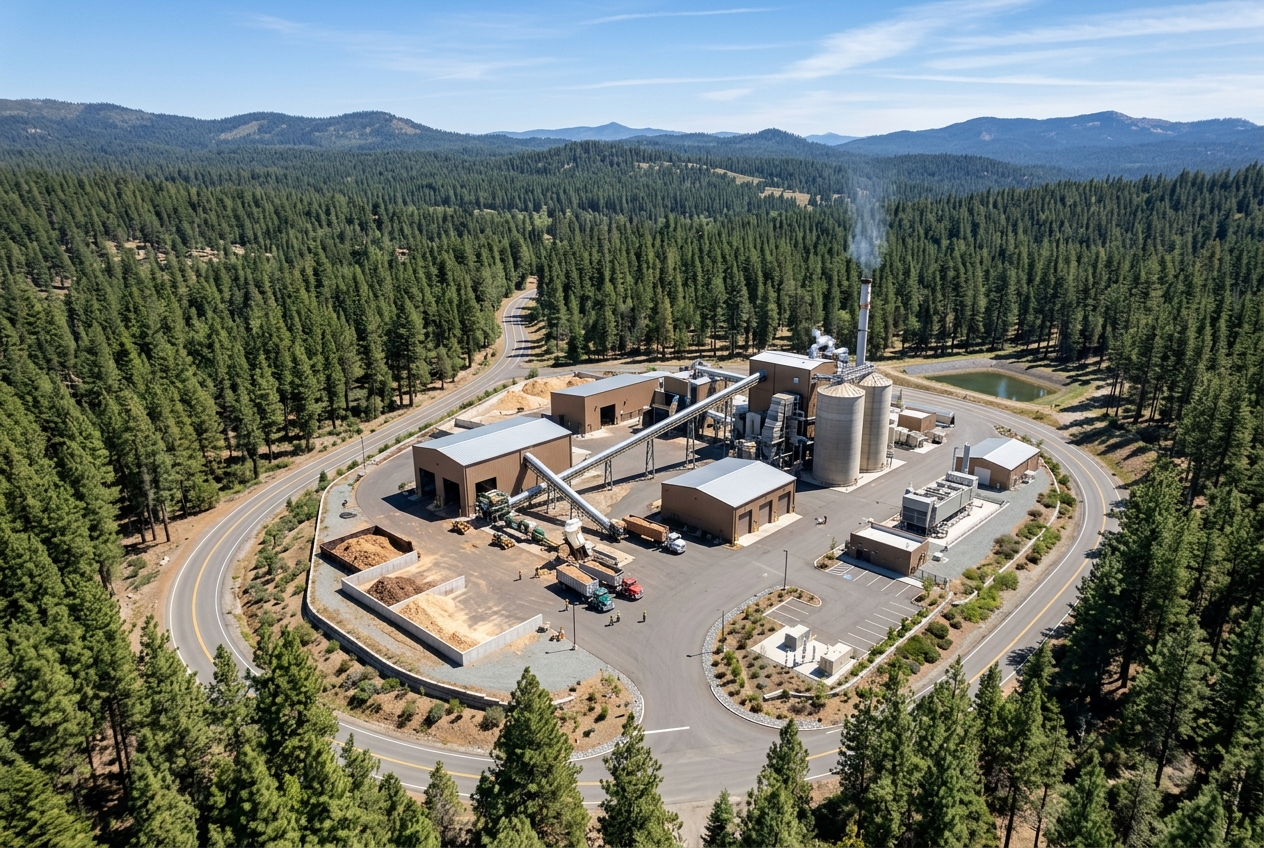
Shasta County sits in one of the highest biomass-density regions in California and the nation. The surrounding forests produce enormous volumes of residual biomass from commercial logging, fire prevention programs, and utility corridor clearing. This is material that's being generated continuously and actively looking for a destination.

ResolutX is positioned at the center of this supply chain. Our pilot plant site is integrated with the regional biomass hub infrastructure, giving us cost-effective access to feedstock volumes that support commercial-scale production.
California spends billions annually managing forest biomass. ResolutX turns that cost center into a raw material supply — at near-zero feedstock cost, creating strong margin economics from the start.

02

Pyrolysis — Heat Without Oxygen

Pyrolysis reactor

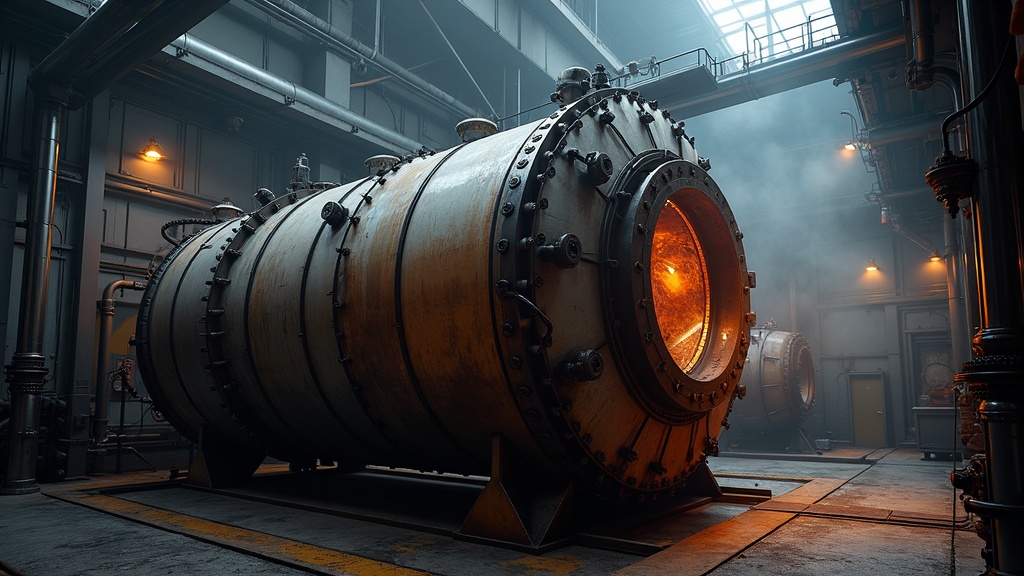
Pyrolysis is a thermochemical process: high heat applied to organic material in an oxygen-free environment. Without oxygen, the material can't combust. Instead, it breaks down at the molecular level into stable solid and gaseous components.

In ResolutX's process, biomass enters the reactor at controlled temperatures and residence times tuned for optimal output quality. The result is two primary streams:

01

Biochar

The solid carbon-rich material left after pyrolysis. High surface area, stable structure — the precursor to graphene in our process.

02

Syngas Stream

The gaseous byproduct of pyrolysis. Contains combustible gases that can be captured and converted to renewable fuel or heat.

The Energy Loop

The syngas stream is either processed into renewable fuel for sale, or rerouted to supplement heating of the pyrolysis reactor. This energy recovery design reduces the amount of external heating required — a meaningful cost advantage in a production environment.

03

Biochar to Graphene

Biochar to graphene

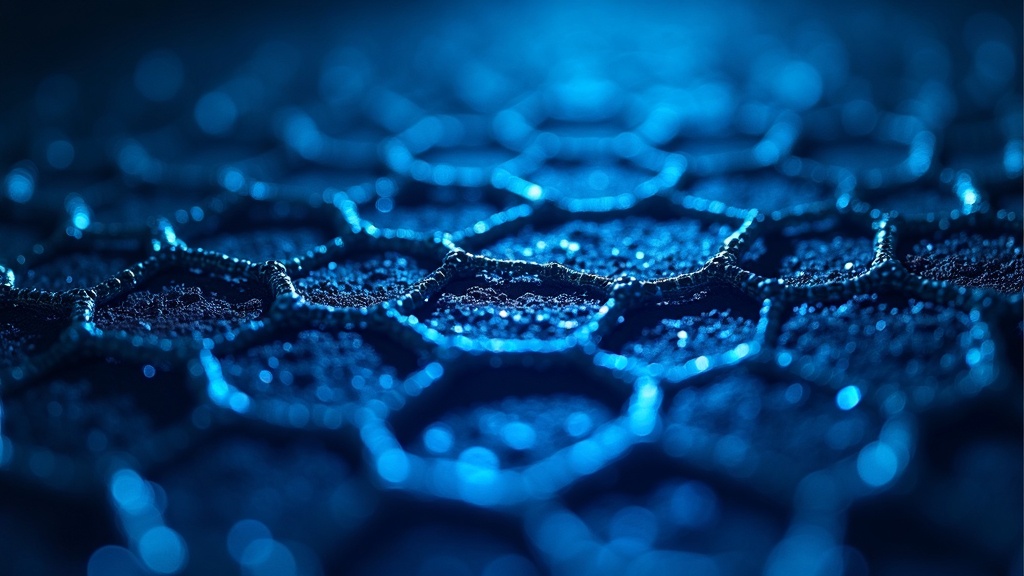
Graphene is a single atomic layer of carbon atoms arranged in a hexagonal lattice. It is the thinnest material ever isolated, yet it is approximately 200 times stronger than steel. It conducts electricity and heat better than copper. It is nearly transparent and flexible enough to bend without breaking.

Discovered in 2004 and recognized with the Nobel Prize in Physics in 2010, graphene has been described as the most significant material discovery of the modern era. It is now used — or actively being integrated — across energy storage, semiconductors, aerospace coatings, construction materials, filtration, and medical devices.

The ResolutX Upgrade Process

The biochar produced in our pyrolysis stage is produced and processed to specification as a precursor material for graphene production. ResolutX's proprietary upgrade process converts this biochar into graphene at multiple grades, each suited to different industrial applications.

This is the technical core of the ResolutX model: taking material that other producers treat as a commodity byproduct and converting it into one of the highest-value carbon materials on the market.

What Doesn't Upgrade, Doesn't Waste

Not all biochar reaches graphene-grade specification during the pyrolysis reaction. Any biochar that does not pass upgrade thresholds is sold as premium agricultural biochar — a high-demand soil amendment and carbon sequestration product. Near-zero waste is not a marketing claim. It is a process design constraint we engineer around.

Graphene from waste biomass costs a fraction of graphene from conventional graphite mining. ResolutX enters the market with a structural cost advantage — not by cutting corners, but by starting with near-free feedstock.

04

Why No One Has Done This at Scale

Putting pyrolysis, biochar production, and graphene upgrade together on one site, under one operating model, with near-zero waste design as a foundational constraint — that is the ResolutX approach.

The financial model is straightforward: the lowest-cost feedstock in the sector (waste biomass) feeding the highest-value output (graphene), with two additional revenue streams covering operating costs. Strong margin economics by design.

05

Where We Are Now

Pilot plant in development

ResolutX is in active pilot plant development at our Shasta County site. The pilot plant is engineered with a deliberate design philosophy: every component, every sizing decision, every process parameter is selected to scale directly into a commercial plant without redesign.

It is a commercial plant running at pilot scale.

Investment to Date

The industry has spent tens of millions of dollars in R&D, engineering documentation, lab work, and site preparation. Lab results will be available once the pilot plant is running. The underlying science is well established, and the additional engineering, pilot plant, and testing will further validate performance at commercial scale. The current phase is about optimizing throughput and building the operational infrastructure.

What's Next

I

Pilot Plant Operations

Full operational data from the Shasta County pilot, refining process parameters and output grades.

II

Commercial Plant

Direct scale of the pilot design to commercial production volume. No redesign required.

III

Equipment Sales

ResolutX builds and commissions pyrolysis and biochar systems for regional operators with their own biomass streams.

IV

Regional Network

A distributed network of biomass-to-graphene operations, each connected to local feedstock supply chains.

Want the Technical Details?

Lab results, process documentation, and partnership information available for qualified inquiries.

Request Technical Information